Free Market Kids’ Books Explained: Learning from the World’s Worst Ideas
Economic education for kids doesn’t have to be a huge snooze. Any parent can make teaching kids free market economics fun with the right books and activities! Here’s the lowdown on the best free market kids’ books you’ll find — and details to help you evaluate any other titles you run across. We’ll also provide you with some exciting activities that will be sure to capture their attention and engagement — to ensure that what they learn will stick with them for a lifetime!
Evaluating Free Market Kids’ Books
Teaching kids free market economics through books can be lots of fun with the right ones! The best free market kids’ books will make the concepts of economics fun and exciting while offering thorough explanations of each principle in engaging ways.
For example, supply and demand may seem like a mundane topic, but the best free market kids’ books will turn this topic into an adventure, taking kids through a journey that explores the dynamics of supply and demand in a fun and unique way.
Other concepts you may want to look for in free market kids’ books include:
- The benefits of competition
- Division of labor
- Earning compensation
- Managing expenses
- The roles of consumers and producers
- The principle of voluntary exchange
The best free market kids’ books will make these topics not only fun but relatable, demonstrating how your kids will use these concepts every day. They should use real-world examples and everyday scenarios like grocery shopping or even cooking to illustrate complex economic principles.
How the World’s Worst Ideas Impacted the Free Market
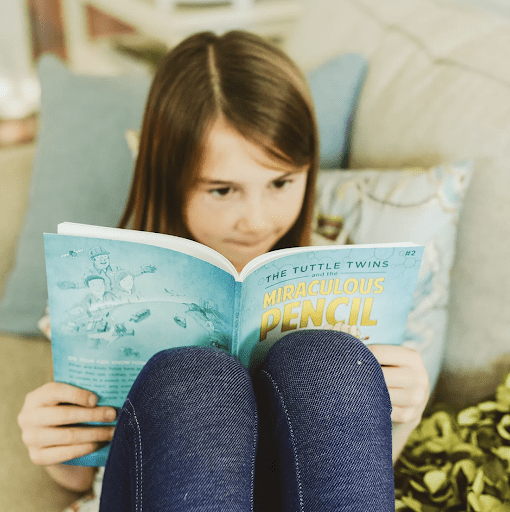
The Tuttle Twins books are one of the more well-known series containing free market kids’ books. Specifically, The Tuttle Twins and the Miraculous Pencil turns the classic essay, “I, Pencil” by Leonard Read into an approachable and engaging story that helps kids understand free market principles like spontaneous order, division of labor, and competition.
One of the newest additions to the Tuttle Twins books is The Tuttle Twins’ Guide to the World’s Worst Ideas. Among other topics, the book helps teens identify fault logic and understand the various ways society distorts economic truth.
The Tuttle Twins’ Guide to the World’s Worst Ideas encourages critical thinking so that kids can recognize political manipulation and emotional appeals that do nothing but promote harmful ideas. By looking through the lens of history, kids will not only learn about what happened but why and how it impacted today’s world.
Other Ways to Make Economic Education for Kids Fun
In addition to free market kids’ books, you can also make economic education for kids fun and exciting through various hands-on activities and games. Help your kids set up a lemonade stand to learn the basics of supply and demand, earning income and managing expenses, setting prices, and serving customers.
Alternatively, help them establish a service business in your neighborhood. Assist your kids with gauging the need and available supply for various services like lawn mowing or shoveling snow. Then help them set their rates by determining how much their time is worth and what prices the local market will support.
Economic education for kids can be fun and exciting! And the right free market kids’ books and activities will go a long way toward making that happen. The more hands-on and relatable books and activities are, the better they will learn and retail important information about the free markets.